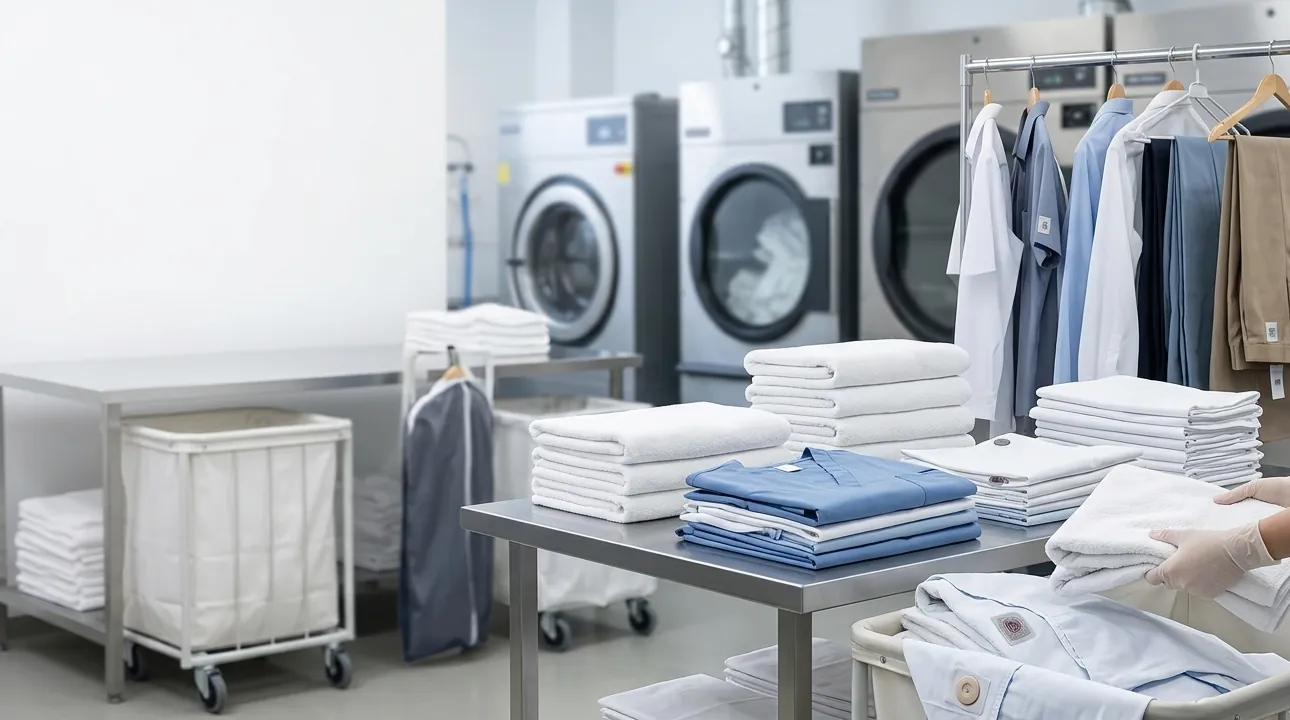
An RFID autoclave tag is a tag built to survive steam sterilization without losing its RFID performance or physical integrity. Buyers usually search for this when they need to track reusable items — surgical gowns, hospital linens, scrubs, cleanroom garments — that go through repeated autoclave cycles alongside normal washing.
What “Autoclave-Rated RFID Tag” Actually Means
“Autoclave-safe” is not one fixed spec. Standard steam autoclave cycles typically run at 121–134°C under pressurized steam, and a tag has to survive that heat, moisture, and pressure combination without chip failure, delamination, or read-range loss — not just once, but across hundreds of cycles alongside regular washing. For the wider system-selection decision that autoclave tags fit into, see the RFID for laundry and uniform rental guide.
This guide focuses on textile and garment-level tracking (linens, gowns, scrubs, uniforms) rather than surgical instrument-level tracking, which typically uses a different tag format and mounting approach.
Where Autoclave-Rated RFID Tags Are Used
- Hospital linen, surgical gowns, and scrub tracking through sterilization and laundry cycles.
- Cleanroom garment programs that require both sterilization and inventory accuracy.
- Hospitality back-of-house items that require sterilization alongside standard laundering, such as spa linens or medical-adjacent textiles.
- Industrial uniform programs with periodic sterilization requirements.
For the broader operational picture, see RFIDEcho’s RFID laundry management solution page.
Autoclave Rating vs. Operating Temperature — Don’t Confuse the Two
This is the detail buyers most often miss. A tag’s datasheet may list two different heat numbers, and they answer different questions:
| Spec | What it tells you |
|---|---|
| Operating temperature | The continuous temperature range the tag is rated to function in during normal use |
| Autoclave sterilization rating | A separate short-duration spec, usually stated as a temperature plus a time (e.g., 130°C for 5 minutes) |
A tag can have a moderate continuous operating range and still carry a valid autoclave rating, because autoclave exposure is brief and controlled, not continuous. Before ordering, ask the supplier for both numbers explicitly, and confirm the autoclave rating matches your facility’s actual cycle — some hospital protocols run hotter or longer than the tag’s tested rating.
Key Specifications to Confirm
| Specification | What to decide or verify |
|---|---|
| Frequency | UHF for bulk/multi-tag reading, HF for close-range reading |
| Autoclave rating | Temperature + exposure time the tag is tested against (not just “autoclave-safe”) |
| Operating temperature | Continuous range, separate from the autoclave spec |
| Wash cycles | Target cycle count under real detergent and heat conditions |
| Chemical resistance | Detergents, softeners, alkalis, and any sterilizing agents used |
| Pressure resistance | Relevant for steam autoclave and industrial extraction |
| Encoding | EPC structure, serial numbering, and whether data must survive re-sterilization |
| Installation method | Sewing, heat-sealing, or pouch insertion compatible with the garment type |
As a real-world reference point, RFIDEcho’s Heat-Resistant Silicone RFID Laundry Tag is rated for autoclave sterilization at 130°C for 5 minutes, with a continuous operating range of -25°C to +85°C (up to 150°C for short periods), up to 200 wash cycles, and UHF read range up to 6 m. Numbers like these are what to request from any supplier — not just the word “autoclave-compatible.”
Material and Format Considerations
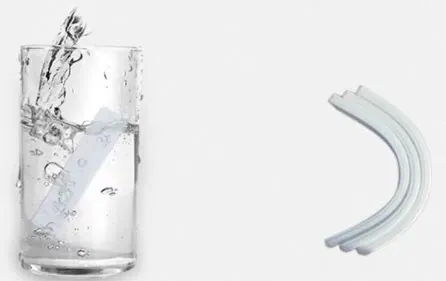
Silicone encapsulation is the most common format for autoclave-rated laundry and garment tags because it seals the chip against moisture and pressure while staying flexible enough to sew or heat-seal into fabric. Softer textile or woven care-label formats are usually not built for autoclave exposure — they’re a better fit for standard wash-only garment tracking. If sterilization is part of the workflow, confirm the format is explicitly tested for it rather than assuming a “washable” tag also survives an autoclave.
For a broader comparison of laundry tag formats and wash durability, see Custom RFID Laundry Care Labels: Buyer’s Guide.
Installation and Placement
Autoclave-rated tags are typically installed by:
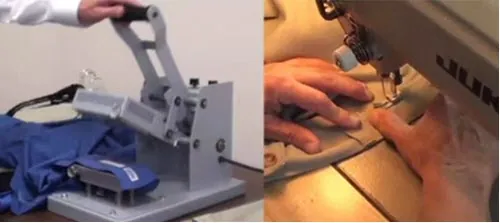
- Sewing around the tag perimeter into a seam, hem, or label stack, avoiding stitches through the chip or antenna area.
- Heat-sealing onto flat textiles such as sheets and towels, with adhesive and press settings matched to both the tag and the fabric.
- Pouch insertion, useful when the tag needs to be removable or reused across garment replacements.
Test installation on real items before bulk production — read range and durability can shift once the tag is stitched into a seam and put through actual sterilization and wash cycles.
RFQ Checklist
| RFQ field | Details to provide |
|---|---|
| Item type | Gown, scrub, linen, uniform, cleanroom garment |
| Sterilization cycle | Autoclave temperature, duration, and frequency per item |
| Wash environment | Detergents, chemicals, drying and pressing conditions |
| Target lifespan | Expected wash + sterilization cycles before replacement |
| Frequency and chip | UHF/HF, chip model, memory, protocol |
| Encoding | EPC structure, serial numbering, data retention needs |
| Installation | Sewing, heat-seal, or pouch, matched to garment type |
| Quantity | Estimated annual volume and sample quantity for testing |
A Real-World Example
In RFIDEcho’s hotel group linen-tracking case study, most linen used washable textile tags, but back-of-house items requiring autoclave-compatible tracking were tagged with the Heat-Resistant Silicone RFID Laundry Tag instead — a practical example of matching tag format to sterilization requirements rather than using one tag type across an entire inventory.
For project-specific requirements, including sterilization cycle details and target quantities, use RFIDEcho’s contact page to request a quote or samples.
FAQ
Can any washable RFID tag go through an autoclave?
No. Wash-durability and autoclave-durability are tested separately. A tag rated for 200 wash cycles is not automatically rated for steam sterilization — confirm a specific autoclave temperature and duration before using any tag in a sterilization cycle.
What temperature do autoclave-rated RFID tags need to survive?
Standard steam autoclave cycles run around 121–134°C. Ask suppliers for the exact temperature and exposure time their tag is tested against, since ratings vary by product and construction.
Does an autoclave-rated tag also need to survive normal washing?
In most healthcare and hospitality workflows, yes — the same textile goes through both regular laundering and periodic sterilization. Confirm both the wash-cycle count and the autoclave rating before selecting a tag.
What frequency works best for autoclave-rated garment tags?
UHF is common for bulk scanning of linens and garments at intake or dispatch points. HF or NFC can suit close-range verification needs, but UHF is typically preferred for high-volume sterilized-textile programs.