01
Moving transport units
Containers, boxes, pallets, cages, and bags need tag formats that can survive repeated handling and movement.

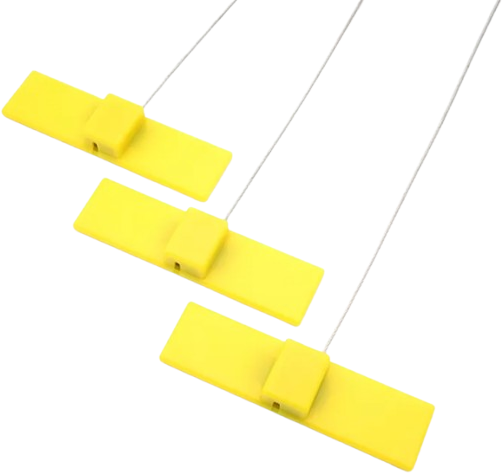
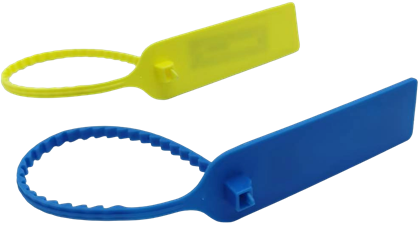
Use RFID seal tie tags and RFID zip tie tags to identify containers, logistics boxes, returnable transport items, and delivery handover units.
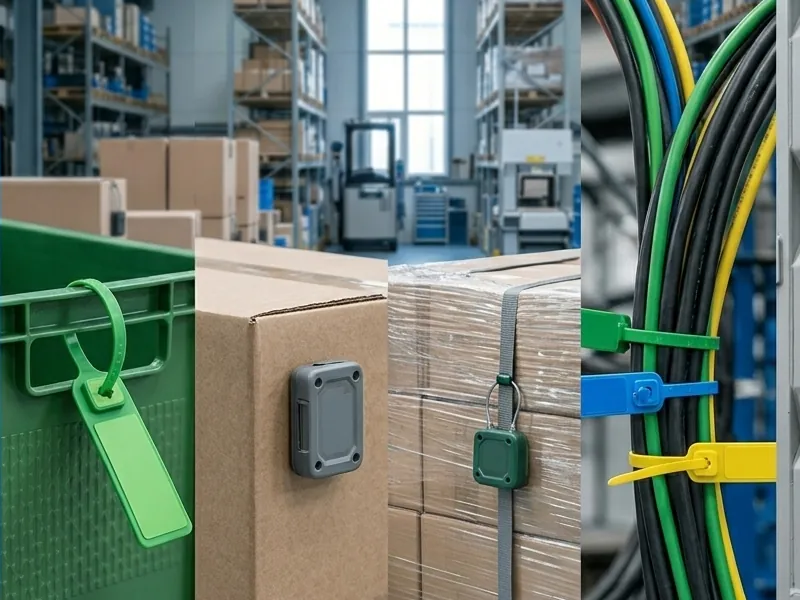
RFID logistics tracking depends on rugged tag formats that can be attached to moving goods, containers, cages, boxes, pallets, bags, and returnable transport items. The tag must match the object, environment, expected read distance, handling process, and security requirement. RFIDEcho supplies RFID seal tie tags for sealed shipments and RFID zip tie tags for logistics boxes, cables, crates, RTIs, and reusable assets. These tags can be customized with UHF, HF, or NFC chips, printed serial numbers, logos, QR codes, barcodes, and encoded EPC data. When used with RFID readers and logistics management software, RFID tags help support shipment identity, delivery handover, custody records, and traceability across transport workflows. RFIDEcho provides the tags, not a complete logistics platform.
Containers, boxes, pallets, cages, and bags need tag formats that can survive repeated handling and movement.
Manual signatures and visual checks may not provide enough item identity during custody transfer.
Some shipments require one-time seal evidence in addition to RFID identification.
RTIs, logistics boxes, and transport cages can be difficult to track across customers and locations.
The right tag depends on surface material, read distance, durability, mounting method, and required printed or encoded identification.
RFIDEcho provides the RFID tags. The tags can work with compatible RFID readers and management software as part of your existing workflow.
Apply an RFID seal tie tag, zip tie tag, or cable-style tag to the container, box, pallet, cage, or bag.
Encode EPC, logistics ID, customer code, batch number, route number, or visible serial number.
Compatible RFID readers can identify tags during loading, unloading, warehouse transfer, or delivery checks.
When used with management software, tag identity helps support shipment traceability and handover records.
Use RFID seal tie tags to support identity checks for sealed containers, trailers, and transport units.
Tagging pointTrack reusable crates, boxes, pallets, cages, and bins that move between sites or customers.
Tagging pointUse serialized RFID tags to support item identity during pickup, transfer, delivery, and receipt.
Tagging pointAttach RFID zip tie tags to boxes, totes, and reusable packaging where adhesive labels are not enough.
Tagging pointSelect durable tag materials for transport environments involving moisture, abrasion, or repeated handling.
Tagging pointCombine printed numbers and encoded RFID identity to support route, batch, customer, or shipment records.
Tagging pointTell us your tagged object, material surface, reading workflow, environment, quantity, and printing or encoding requirements. We will help confirm a practical RFID tag configuration for your application.
RFID Package Tracking for Last Mile Delivery
Learn how to choose RFID tags for last-mile package tracking, from UHF labels and seal tags to RFQ criteria and pilot testing.
Read guide →RAIN RFID Tag Encoding Best Practices for Buyers
RAIN RFID tag encoding best practices for choosing standards, EPC memory, serial rules, verification, and custom tag RFQs.
Read guide →RFID Tracking Tags vs Asset Tags: What's the Difference?
Compare RFID tracking tags and RFID asset tags with use-case tables, tag format mapping, a decision checklist, and RFQ guidance for asset tracking projects.
Read guide →RFID logistics tracking is the use of RFID seal tie tags and zip tie tags on containers, boxes, pallets, and reusable transport items so each unit carries a scannable electronic ID throughout pickup, transit, handover, and delivery.
Shipments that need a one-time tamper-evident seal — such as sealed containers, trailers, or cartons — should use RFID seal tie tags, while reusable crates, cages, and bins that move repeatedly between sites are better suited to RFID zip tie tags. Both can carry the same EPC encoding format for consistent scanning.
Portal-mounted UHF readers at delivery docks and container gates typically achieve reliable reads at 2–6m, while handheld verification at the point of handover reads at 0.3–1m — both ranges are achievable with standard UHF seal tie and zip tie tags.
Yes. Tags can be factory-encoded with EPC data, shipment IDs, route numbers, or customer codes that match the records in your transport management system, and printed with the same code as a barcode or QR code for backup scanning.
Yes. Seal tie and zip tie tags are built from PP, silicone, or steel-core materials that resist moisture, abrasion, and temperature extremes encountered in cold-chain and industrial transport, with heavy-duty cable seals available for high-security or rough-handling routes.
Each tag's encoded ID is scanned at pickup and again at delivery, so both parties have a matching electronic record of the same item changing hands — alongside the visible tamper-evident seal — which strengthens custody records beyond a manual signature alone.
Tell us your requirements and we'll reply within 1 business day.