01
Manual animal records
Visual-only numbering can be slow to check and easy to misread during vaccination, weighing, breeding, or transport.

Use RFID animal tags to identify livestock, pets, poultry, and farm animals while supporting health records, ownership records, and animal traceability workflows.
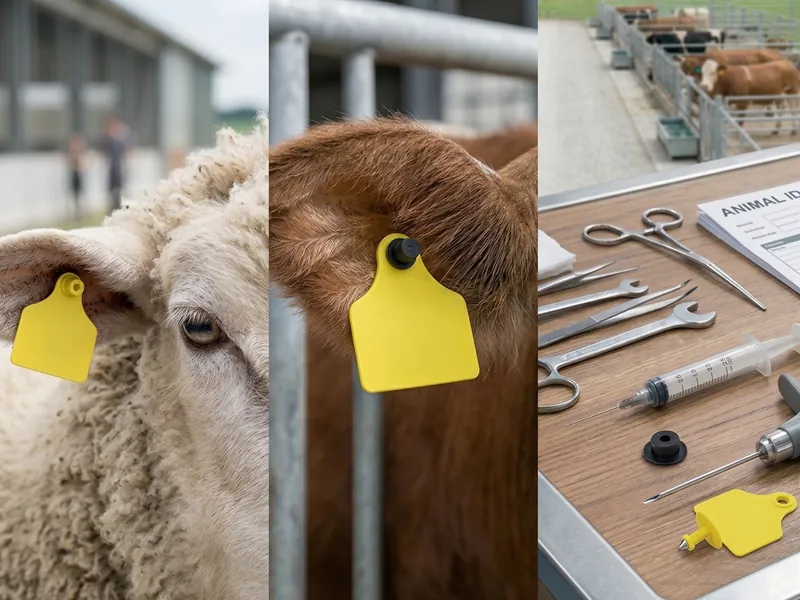
RFID animal identification depends on durable, animal-safe tags that can remain readable throughout the animal lifecycle. The correct tag format depends on species, application environment, read distance, regulatory requirements, and how the tag will be attached. RFIDEcho supplies RFID animal tags for livestock, pets, poultry, and farm management applications. These tags can support visual numbering, chip encoding, color selection, and packaging by herd or project batch. When used with RFID readers and farm or veterinary management software, RFID animal tags help buyers connect each animal with vaccination records, health checks, breeding information, movement records, or traceability data. The page focuses on tag selection and customization, not on supplying a complete farm management system.
Visual-only numbering can be slow to check and easy to misread during vaccination, weighing, breeding, or transport.
Animal tags must resist moisture, dirt, impact, movement, and long-term outdoor use.
Cattle, sheep, pigs, poultry, pets, and other animals require different tag shapes and attachment methods.
Farms, traders, and processors often need reliable animal identity records across breeding, transport, and health management.
The right tag depends on surface material, read distance, durability, mounting method, and required printed or encoded identification.
RFIDEcho provides the RFID tags. The tags can work with compatible RFID readers and management software as part of your existing workflow.
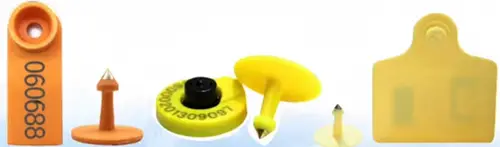
Select ear tag, leg ring, injectable, or other animal tag format based on species and management process.
Factory encoding can align the chip with animal number, herd number, or project record requirements.
Compatible RFID readers can identify the tag during feeding, vaccination, weighing, inspection, or movement.
When used with management software, the tag ID can connect to health, ownership, breeding, or traceability records.
Use RFID ear tags for individual animal identification, herd grouping, vaccination records, and breeding management.
Tagging pointSupport animal identity tracking from farm to transport, processing, or trade records.
Tagging pointUse RFID leg bands or ring tags for smaller animals where lightweight tagging is required.
Tagging pointSupport pet ID applications where durable RFID identification is needed for ownership or veterinary records.
Tagging pointUse encoded animal tags to support traceability during movement between farms, auctions, or processing points.
Tagging pointConnect individual animals with breeding, feeding, or observation records through RFID tag identity.
Tagging pointTell us your tagged object, material surface, reading workflow, environment, quantity, and printing or encoding requirements. We will help confirm a practical RFID tag configuration for your application.
RFID for Livestock and Animal Tracking: How It Works
RFID for livestock and animal tracking explained: how it works, LF vs UHF vs HF, tag selection by species, and an RFQ checklist.
Read guide →RFID Ear Tags for Cattle: Pricing, Specs, and What Affects Cost
RFID ear tags for cattle are priced per specification, not from a list. See what drives the cost — frequency, encoding, IP rating, and order volume — and what to include in your RFQ.
Read guide →RFID Ear Tags for Livestock: LF vs UHF Buying Guide
LF or UHF ear tags for livestock? Compare read range, compliance, and dual-frequency options to choose the right RFID tag format for your herd.
Read guide →RFID animal identification is the use of RFID animal tags — such as ear tags, injectable transponders, or leg bands — to give each animal a unique electronic ID that can be read by compatible RFID readers throughout its lifecycle. It supports health records, ownership records, breeding management, and traceability.
The right format depends on species and handling — cattle, sheep, and pigs typically use ear tags, companion animals and laboratory animals use injectable glass-tube transponders, and poultry or pigeons use leg bands or ring tags. Tell us your species and management process and we will recommend a tag format.
Yes. Standard livestock tags operate at LF 134.2kHz in compliance with ISO 11784/11785, the international standard recognised by national cattle, sheep, and pig traceability databases, and can be factory-encoded to your country's official ID format before shipment.
Yes — RFID animal tags use standard LF, HF, or UHF chips that are readable by commercial farm management and veterinary scanning systems. RFIDEcho supplies the tags; the tag ID then links to vaccination, health, breeding, or movement records in your existing software.
Yes. Polyurethane ear tags support laser printing or hot-stamp printing of farm codes, sequential numbers, barcodes, and logos, and custom colours can be used to differentiate herds, age groups, or projects.
Each RFID animal tag carries a unique encoded ID that can be scanned at departure, transit, and arrival points, creating a chain of read records that links the animal to health certificates, ownership transfers, and movement history. This supports compliance with national and export traceability requirements.
Tell us your requirements and we'll reply within 1 business day.