01
Unclear responsibility
Manual labels and paper seals make it difficult to confirm who handled a shipment, package, or controlled item at each checkpoint.

Use RFID seal tie tags and RFID zip tie tags to identify sealed goods, support responsibility tracking, and strengthen traceability workflows without changing the role of your existing readers or management software.

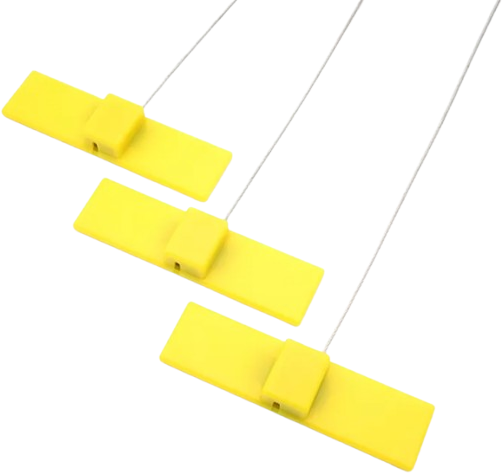
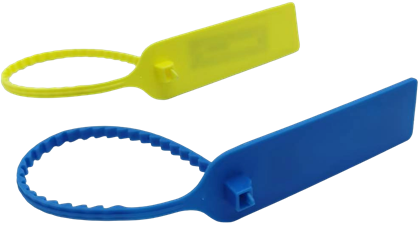
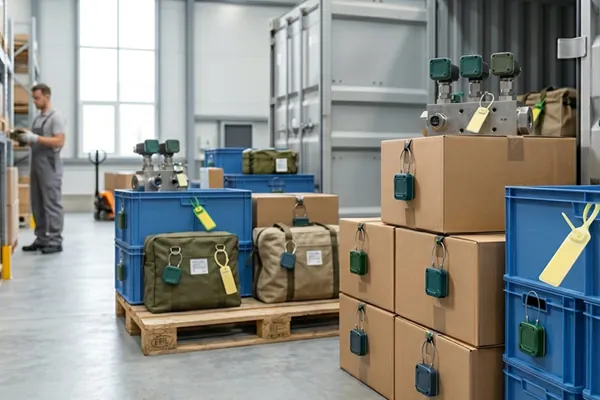
RFID security traceability focuses on applying the right RFID tag to products, packages, containers, valves, bags, and other controlled items so every handover can be identified more reliably. For B2B buyers, the core decision is not only chip frequency. It is also whether the tag needs tamper evidence, one-time locking, visible numbering, barcode pairing, logo printing, color coding, or a mounting method that fits the object being protected. RFIDEcho supplies RFID tags for these workflows, including RFID seal tie tags and RFID zip tie tags for sealed goods, shipment control, product traceability, and anti-counterfeiting projects. When used with RFID readers and management software, these tags help connect physical sealing with digital identification records.
Manual labels and paper seals make it difficult to confirm who handled a shipment, package, or controlled item at each checkpoint.
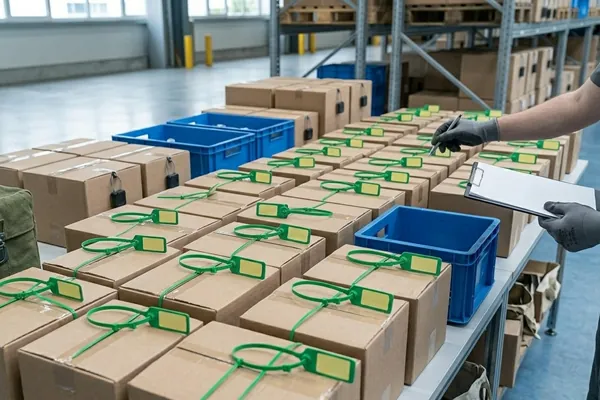
Standard ties may be removed or replaced without a reliable electronic identity linked to the original sealed item.
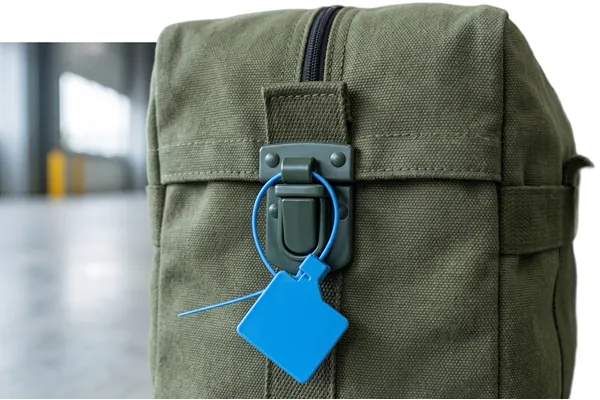
Teams often need to check printed numbers one by one, especially for high-volume sealed goods and logistics handovers.
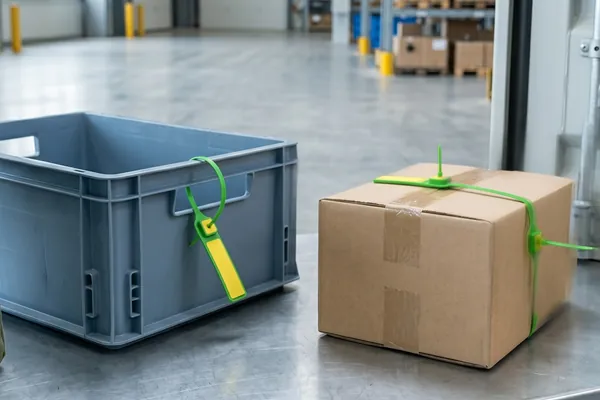
Without serialized RFID tags, physical sealing and digital records can become disconnected during transport, storage, or inspection.
The right tag depends on surface material, read distance, durability, mounting method, and required printed or encoded identification.
RFIDEcho provides the RFID tags. The tags can work with compatible RFID readers and management software as part of your existing workflow.
Apply an RFID seal tie tag or RFID zip tie tag to the product, carton, container, valve, or transport unit.
The tag can be read by compatible RFID readers as part of the customer’s verification workflow.
Printed serial numbers, barcodes, QR codes, or logos can be matched with internal records.
When used with management software, tag data helps support handover records, inspection checks, and item traceability.
Use RFID seal tie tags for shipments where a visible one-time seal and electronic identity are both required.
Tagging pointApply serialized RFID tags to controlled products, gift boxes, spare parts, or high-value goods for identity verification.
Tagging pointUse cable-style RFID tags to identify valves, meters, cabinets, or utility equipment that require controlled access.
Tagging pointUse RFID identification to support inbound, outbound, and custody transfer records for sealed goods.
Tagging pointSupport traceability for pharmaceuticals, chemicals, samples, documents, or other controlled materials.
Tagging pointAdd logo printing, unique numbering, and encoding to help distributors identify genuine goods in the field.
Tagging pointTell us your tagged object, material surface, reading workflow, environment, quantity, and printing or encoding requirements. We will help confirm a practical RFID tag configuration for your application.
RFID Access Control and Tamper-Evident Tags
Tamper evident RFID tags for facility access, cabinets, gates, vehicles, and patrol checkpoints, with frequency and RFQ guidance.
Read guide →RFID Package Tracking for Last Mile Delivery
Learn how to choose RFID tags for last-mile package tracking, from UHF labels and seal tags to RFQ criteria and pilot testing.
Read guide →RFID vs Barcode vs BLE vs Vision: How to Choose
Compare RFID, barcode, BLE beacons, and computer vision for tracking: cost, range, accuracy, infrastructure, and when each is genuinely the right choice.
Read guide →RFID security traceability uses tamper-evident RFID tags — typically seal tie or zip tie tags — to identify sealed goods, containers, or controlled items so each handover matches a digital record. It adds an electronic identity layer to physical sealing, supporting responsibility tracking, anti-counterfeiting, and audit trails.
RFID seal tie tags and RFID zip tie tags. Seal tie tags combine a one-time tamper-evident lock with a UHF chip for container, cargo, and high-value goods sealing, while zip tie tags suit valves, meters, and equipment that need repeatable identification.
No — RFID security traceability typically works alongside barcodes rather than replacing them. The RFID chip allows automated identification at gates and checkpoints without manual scanning, while the printed serial number, barcode, or QR code remains available for visual or handheld verification when needed.
Yes — RFID seal tie tags and zip tie tags are supplied with standard UHF EPC Gen2, HF, or NFC chips that are readable by most commercial RFID reader infrastructure and management software. RFIDEcho supplies the tags; your existing or chosen reader and software handle scanning and record-keeping.
Yes. Every seal tie tag and zip tie tag can be factory-encoded with a unique EPC, UID, or serial number that matches your internal numbering scheme, customer database, or shipment tracking format before it leaves the factory.
It depends on whether the item needs a one-time tamper-evident seal or a reusable identification point — seal tie tags are built for single-use sealing with visible tamper evidence, while zip tie tags suit valves, cages, or equipment tagged and re-tagged repeatedly. Share your application for a recommendation.
Tell us your requirements and we'll reply within 1 business day.