
01
Mixed warehouse objects
Pallets, bins, shelves, cages, and metal racks require different RFID tag formats and mounting methods.

Use RFID zip tie tags, seal tie tags, and anti-metal tags to identify pallets, bins, shelves, carts, containers, and warehouse assets in inbound, outbound, and batch workflows.
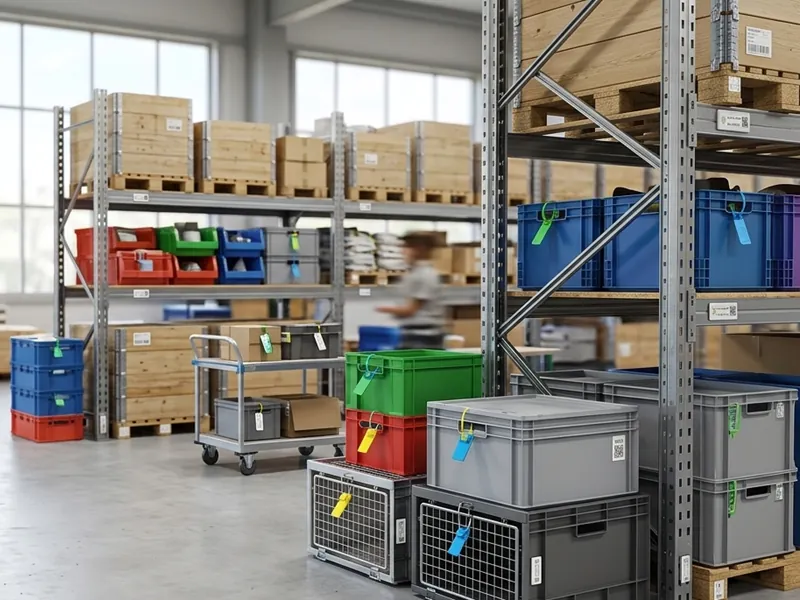
RFID warehouse management requires more than a generic RFID label. Pallets, bins, reusable boxes, shelves, metal racks, carts, cages, and sealed goods each need a tag format that matches the surface and handling process. RFIDEcho supplies RFID tags for warehouse identification workflows, including RFID zip tie tags for bins and reusable transport items, RFID seal tie tags for sealed goods or custody control, and RFID anti-metal tags for racks, metal containers, and warehouse equipment. When used with RFID readers and warehouse management software, these tags help support faster identification, batch visibility, inbound and outbound checks, and reduced manual scanning. The key is choosing the correct tag material, mounting method, frequency, encoding structure, and printed numbering for the warehouse process.
Pallets, bins, shelves, cages, and metal racks require different RFID tag formats and mounting methods.
Manual barcode checks can slow receiving, picking, sorting, and shipment verification.
Warehouse teams often need better identification of lots, batches, containers, and reusable transport items.
Warehouse tags may face abrasion, impact, dust, moisture, and repeated handling.
The right tag depends on surface material, read distance, durability, mounting method, and required printed or encoded identification.
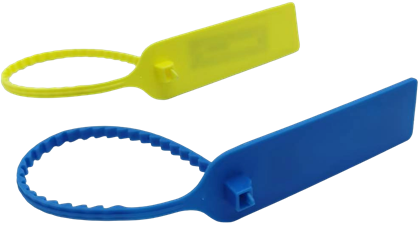
Versatile RFID cable tie tags for equipment, cable, and utility pole tracking.
View Zip Tie Tags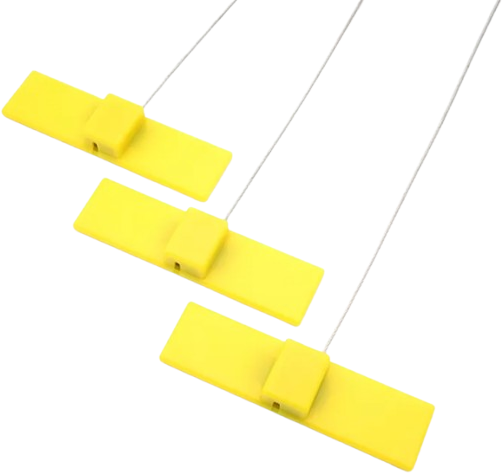
Tamper-evident RFID seal tags and seal ties for container and cargo security.
View Seal Tie Tags
On-metal RFID tags engineered for reliable asset tracking on steel and metal surfaces.
View Anti-Metal TagsRFIDEcho provides the RFID tags. The tags can work with compatible RFID readers and management software as part of your existing workflow.
Attach the proper RFID tag to pallets, bins, shelves, containers, cages, or warehouse assets.
Compatible RFID readers can identify tags during receiving, sorting, picking, dispatch, or cycle counts.
Printed IDs and encoded EPC data can be matched with batch, location, or asset records.
When used with management software, tag identity helps support stock movement and traceability workflows.
Use RFID zip tie tags for reusable boxes, bins, crates, and pallets that move repeatedly through the warehouse.
Tagging pointUse anti-metal RFID tags on metal shelves, rack positions, storage areas, and equipment.
Tagging pointSupport identification of incoming goods, batches, containers, and transport units.
Tagging pointUse RFID tags to help identify cartons, sealed goods, or reusable transport items before dispatch.
Tagging pointTag carts, cages, forklifts, handheld holders, tools, and fixed warehouse equipment.
Tagging pointUse serialized RFID tags and printed IDs to support batch traceability and internal warehouse control.
Tagging pointTell us your tagged object, material surface, reading workflow, environment, quantity, and printing or encoding requirements. We will help confirm a practical RFID tag configuration for your application.
RFID for Warehouse and Retail Inventory Visibility: Choosing the Right Tags
Choose RFID tags for warehouse and retail inventory visibility with workflow maps, tag selection tables, read-zone planning, pilot tests, and an RFQ checklist.
Read guide →RFID Inventory Counting: What Read Accuracy Can You Actually Expect?
Realistic RFID inventory counting accuracy, what causes missed reads during a count, and how to verify a count instead of trusting a single pass.
Read guide →RFID Tags for Tools & Equipment: Buying Guide & Format Comparison
A buying guide to RFID tags for tools and equipment: compare anti-metal formats, follow a workflow decision tree, and use an RFQ checklist before ordering samples.
Read guide →RFID warehouse management is the use of RFID tags — zip tie tags, seal tie tags, and anti-metal tags — to identify pallets, bins, shelves, racks, and sealed goods so receiving, picking, and dispatch can be tracked by scanning rather than manual counting.
Pallets, bins, and reusable transport items are typically tagged with RFID zip tie tags, which attach without adhesives and survive repeated handling, while metal shelves, racks, and containers need RFID anti-metal tags so the antenna is not detuned by the metal surface.
Yes — UHF RFID tags on pallets, cartons, and reusable containers can be read in bulk by portal or handheld readers during receiving and dispatch, replacing one-by-one barcode scans with a single pass over a doorway or conveyor.
Read range requirements depend on the reader setup — UHF zip tie and anti-metal tags typically read at 1–5m with portal or fixed readers, which is sufficient for dock doors, conveyor lines, and rack-level identification in most warehouse layouts.
Yes. PP and ABS zip tie tags and epoxy-potted anti-metal tags are built to withstand abrasion, dust, moisture, and repeated handling in active warehouse environments, and protection levels can be specified for harsher conditions such as cold storage or outdoor yards.
Yes. Tags can be factory-encoded with EPC data, location IDs, pallet numbers, or container IDs that match your warehouse management software's numbering format, and printed with the same code as a human-readable barcode or QR code for backup scanning.
Tell us your requirements and we'll reply within 1 business day.