Why Your RFID Read Rate Is Low: A Field Troubleshooting Guide
RFID tags not reading or read rate too low? Troubleshoot by environment: metal, liquids, dense stacks, tag orientation and body blocking, interference, and cross-reads.
Find and customize the right RFID tags for your application, surface, environment, and workflow.
Contact UsRFID Tag Applications
Explore how different RFID tag categories support identification, tracking, and traceability workflows across common B2B applications.
RFID Security Traceability
Seal Tie Tags + Zip Tie Tags
View applicationRFID Animal Identification
Animal Tags
View applicationRFID Asset Tracking
Anti-Metal Tags + Zip Tie Tags
View applicationRFID Warehouse Management
Zip Tie Tags + Seal Tie Tags + Anti-Metal Tags
View applicationRFID Laundry Management
Laundry Tags
View applicationRFID Patrol Management
Patrol Tags
View applicationRFID Tool Management
Anti-Metal Tags
View applicationRFID Logistics Tracking
Seal Tie Tags + Zip Tie Tags
View applicationRFIDEcho is a specialist RFID tag manufacturer with 15+ years of experience supplying custom and standard solutions to businesses in 50+ countries. We operate our own factory with in-house R&D, injection moulding, and encoding lines.
Guides and insights for engineers and procurement teams sourcing RFID solutions.
RFID tags not reading or read rate too low? Troubleshoot by environment: metal, liquids, dense stacks, tag orientation and body blocking, interference, and cross-reads.
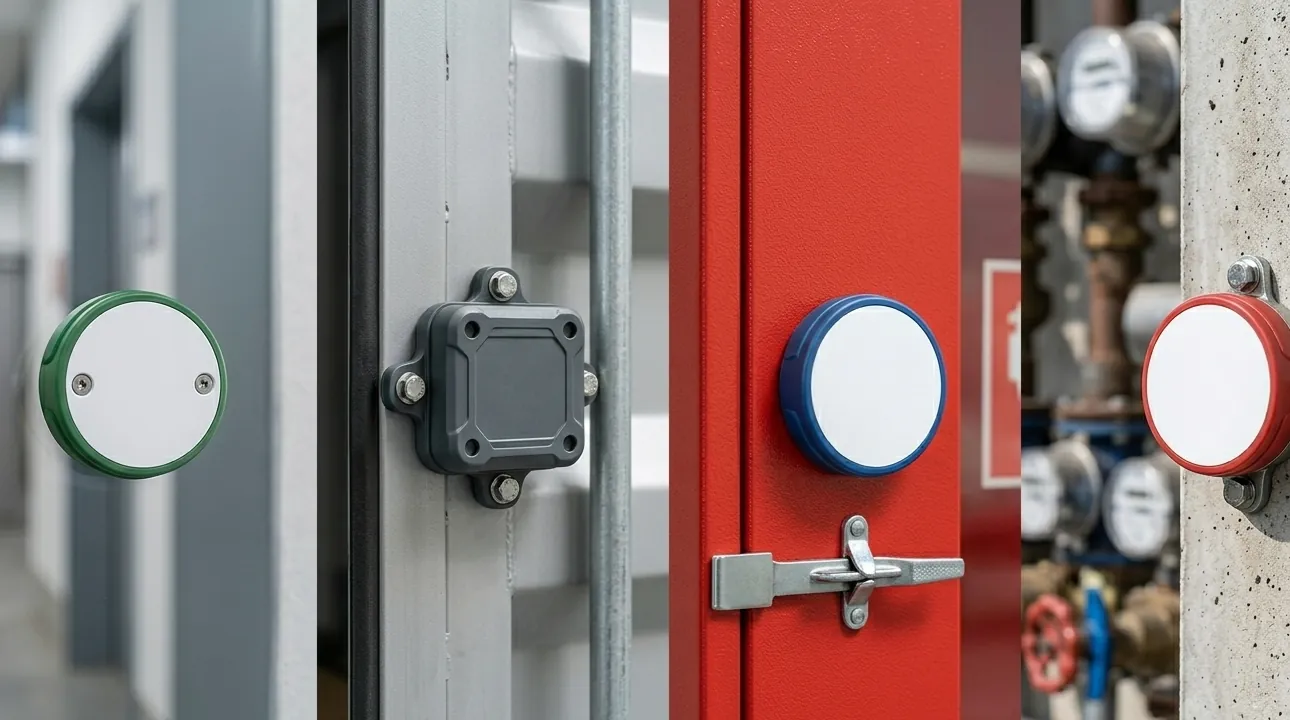
Compare HF and UHF RFID by read range and read style, understand what Gen2v2 vs vendor 'Gen2X' chip features actually mean, and see where active RFID fits versus passive.
How to read an RFID tag spec sheet: what encapsulation actually protects against, how to choose material for heat and sun exposure, windshield-tag mounting options, and a checklist before you order.
A five-step framework for choosing RFID tags: pick the frequency, match the chip to your data needs, get the material right for your surface, understand cost drivers, and vet the supplier.