
LF UHF RFID Pigeon Ring
Ultra-light closed-ring RFID leg band for racing pigeons — LF 134.2 kHz ISO 11784/11785 compatible with all major ETS, IP68.
- 134.2 kHz LF frequency — compatible with all major ETS platforms globally
- Closed-ring design applied at squab stage for permanent tamper-evident ID
- Ultra-lightweight ABS/PP/PE construction — minimal flight performance impact
- Inner diameter options: 7, 8, 9, 10 mm to match different breeds
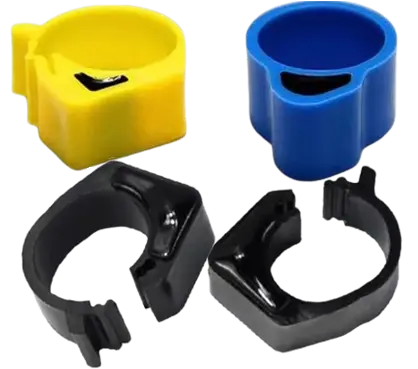
LF UHF RFID Pigeon — Features
Designed for the precision demands of competitive pigeon racing, these RFID rings operate on the standard LF 134.2 kHz frequency (ISO 11784/11785), ensuring seamless clocking with all major Electronic Timing Systems. The smooth, aerodynamic ABS/PP/PE body adds minimal weight and preserves the bird's natural flight performance.
Key Features
- 134.2 kHz LF frequency — compatible with all major ETS platforms globally
- Closed-ring design applied at squab stage for permanent tamper-evident ID
- Ultra-lightweight ABS/PP/PE construction — minimal flight performance impact
- Inner diameter options: 7, 8, 9, 10 mm to match different breeds
- IP68 waterproof — reliable through all weather conditions season after season
- UHF version also available for clubs that require dual-technology reading
LF UHF RFID Pigeon — Customization
LF UHF RFID Pigeon — Specifications
| Primary Frequency | LF 134.2 kHz |
|---|---|
| Protocol | ISO 11784/11785 (FDX-B) |
| Chip Options | EM4305; custom chip on request |
| UHF Option | Available (865–960 MHz, EPC Gen2) |
| Read Range | Up to 10 cm with ETS landing pad reader |
| Form Factor | Closed ring (permanent) |
| Inner Diameter Options | 7 mm, 8 mm, 9 mm, 10 mm |
| Material | ABS / PP / PE |
| Color Options | Blue, Red, Green, Black (custom available) |
| IP Rating | IP68 |
| Operating Temp | -20 °C to +70 °C |
| Certifications | RoHS, CE, ISO 11784/11785 |
| MOQ | 500 pcs |
LF UHF RFID Pigeon — FAQ
-
The 134.2 kHz ISO 11784/11785 FDX-B standard is recognized by all major ETS platforms including Benzing, Bricon, Deister, and Tipes. Confirm your system's approved chip list before ordering.
-
Closed rings are applied at the squab (young bird) stage, typically 5–10 days old when the foot is still small enough to pass through the ring. This ensures permanent, tamper-evident identity throughout the bird's racing career.
-
Yes. An open-clasp design is available for training birds or membership identification where permanent application is not required. Contact us to specify at order.
Related Guides
- Industry Applications
RFID for Livestock and Animal Tracking: How It Works
RFID for livestock and animal tracking explained: how it works, LF vs UHF vs HF, tag selection by species, and an RFQ checklist.
Read guide → - Buying Guides
How Much Do RFID Ear Tags for Cattle Cost? 6 Price Factors
What does an RFID ear tag for cattle cost? Why quotes differ by frequency (LF, UHF, dual), encoding, IP rating and volume, plus what to put in your RFQ.
Read guide → - Buying Guides
RFID Ear Tags for Livestock: LF vs UHF Buying Guide
LF or UHF ear tags for livestock? Compare read range, compliance, and dual-frequency options to choose the right RFID tag format for your herd.
Read guide →